Removing permanent teeth
Treatment areas
About the service
Удаление зубов
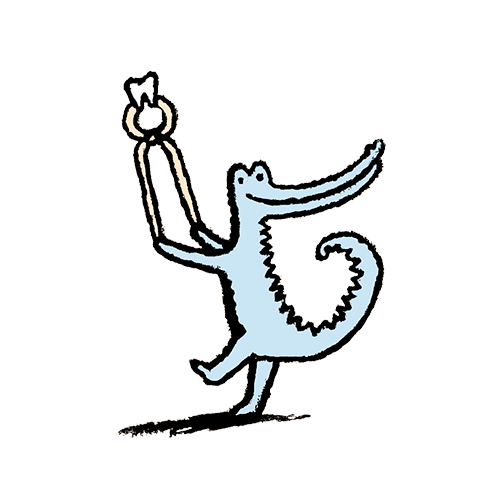
Dentists fight for every tooth, whether baby or permanent. But sometimes removal has to be resorted to. At Inwhite Medical Kids this procedure is carried out minimally invasively and without unpleasant sensations for the child.
#FORM_CALL#Baby teeth perform an important function. They maintain the integrity of the row of teeth and ensure the buds of the permanent teeth are preserved. The roots of baby teeth naturally dissolve, the teeth fall out and permanent ones erupt in their place. This sequence is important for forming a correct bite. Premature loss of a baby tooth threatens various problems. So children's dentists do everything possible to preserve baby teeth. However, in some cases it is simply impossible to save one and a baby tooth has to be removed.
Among the common indications for removing baby teeth:
- An injury that threatens to damage the baby tooth or the bud of the permanent one
- Delayed dissolving of the roots (the permanent tooth has already begun to erupt)
- Significant decay (risk of spreading to the bud of the permanent tooth)
- Formation of a cyst, pulpitis
- Deviations that interfere with orthodontic treatment
- Increased mobility of the baby tooth
- Inflammation in the gum tissue
Here, as with baby teeth, children's dentists try to preserve permanent teeth as much as possible. Removing a permanent tooth may be considered when:
- A severe injury has occurred (a fracture of the tooth root)
- It interferes with fitting an orthodontic appliance and correcting the bite
- The tooth has not erupted, is not developing and causes discomfort
- It is a supernumerary tooth growing outside the row of teeth
- Pulpitis, extensive decay or inflammatory processes (cysts, abscesses) have developed
A child's adaptation to the doctor's visit is largely the key to successful treatment. For the dental visit to go smoothly, a number of rules should be followed. Specialists advise introducing the child to the world of dentistry in advance through play. Model the doctor's visit, telling the child what to expect if you come to remove baby teeth. Use safe associations.
In general, if the child has regularly visited the dentist for preventive check-ups, tooth removal will be less stressful, since they are already used to the children's dentist. The children's dentistry experts at Inwhite Medical Kids have also created a unique app that includes a virtual tour of the clinic and tasks that prepare the child for the doctor's visit.
As for preparing directly for the procedure, the anaesthetist and treating doctor will give you recommendations. Since food should not be eaten for some time after the procedure, the child can be fed a few hours before the operation. The recommendations on eating depend directly on the chosen anaesthesia method. For example, with general anaesthesia it is permitted to eat 6 hours before the operation. But children are allowed a snack 4 hours before. Clear, still liquids can be drunk up to an hour before the anaesthesia.
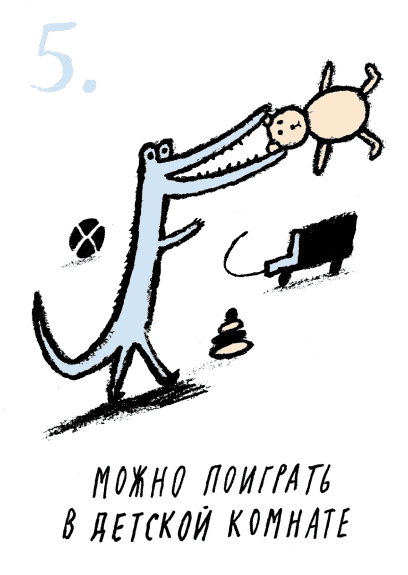
At Inwhite Medical Kids the atmosphere is created with the child's needs in mind. The interior doesn't cause stress, and there is a playroom where you can wait for the appointment. Our experienced specialists are skilled in adaptation techniques and find a way even with children who have had an unpleasant experience with doctors before. The tooth removal itself takes place in a playful way. Sedation may also be used to relieve psychological tension.
Preparatory stage
At this stage comprehensive diagnostics are carried out. Thanks to an examination of the mouth and hardware studies (a targeted or panoramic X-ray, CT and others) it is possible to understand the chances of saving the tooth. The treating doctor and anaesthetist also find out whether the child has allergies or chronic conditions.
Surgery
Before removing children's teeth, anaesthesia is given. The anaesthesia method is chosen depending on the clinical picture, the child's age and condition. The presence of inflammation in the removal area is an indication for additionally using disinfecting agents. As for the operation itself, it all depends on the complexity. If the tooth has fully erupted, the doctor grips the crown with special instruments and removes it from the socket. But if it is an impacted tooth or a still-unformed bud, then to remove the child's tooth, access to it will have to be provided through an incision in the gum. So that the wound heals as quickly as possible, the care recommendations must be followed. The children's surgeon will give them.
Modern anaesthesia methods make it possible to carry out the removal procedure without the slightest pain. The experienced anaesthetists of Inwhite Medical will choose a method suited precisely to your child.
For example, if local anaesthesia is used, before the main injection the area is additionally numbed with a special gel. This approach removes the slightest discomfort from the injection, so that it is truly painless. And additionally using sedation will completely remove psychological tension.
We also perform removal under general anaesthesia where indicated. This option is relevant for patients under 3, special children (with a neurological status) and those allergic to local anaesthetics. General anaesthesia comes to the rescue when there is an acute inflammatory process or several teeth are to be removed at once.
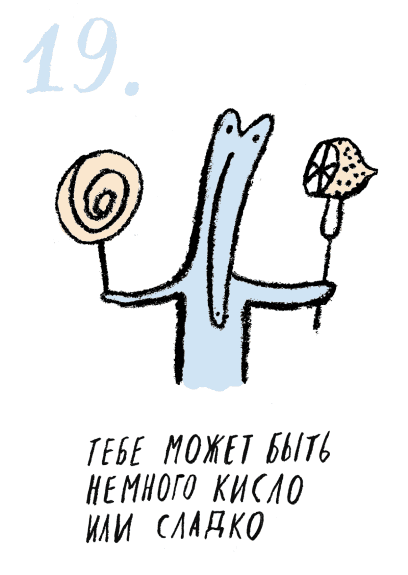
Although the procedure of removing children's teeth itself does not cause unpleasant sensations and is painless, afterwards there may be tenderness, swelling and small bruises. A blood clot forms in the socket. It protects the wound, so it should not be removed. To keep the clot from being washed out, in the first days after the operation you must not rinse the mouth or touch the socket with the tongue or a finger.
Oral hygiene is maintained, but the teeth should be cleaned gently using a soft brush. Until the wound has fully healed, swimming pools, hot baths and active games are off-limits. Time in the sun should also be limited. As for the diet, during recovery it is not recommended to give the child sweets or sour, hot and cold foods.
After the tooth is removed, the treating doctor will prescribe the necessary medications that will help remove unpleasant sensations and prevent infection. These include antiseptics, antibacterial and painkilling agents. You must not take any medication on your own. This also applies to folk remedies. Your treating doctor will set the schedule for the follow-up visit to the dental clinic.
- What are the contraindications to removing a child's tooth?
This procedure is always carried out on the doctor's indications. However, in a number of cases you will have to wait before removing a child's tooth at the clinic. Temporary contraindications may be infectious diseases, fever and inflammatory processes in the mouth. - What should be done if a baby tooth had to be removed but the permanent one hasn't erupted yet?
To keep the row of teeth even and the load properly distributed, we use special plates. They reserve the space for the permanent tooth. Otherwise, the other teeth will start to shift towards the missing one. - Isn't there a risk of injuring the surrounding tissue during tooth removal?
Extensive experience working with children of different ages allows our specialists to carry out the operation with minimal trauma. Plus, special children's instruments are used for removal. Minor trauma is possible when it comes to removing an unerupted tooth. - Do tests need to be done before removal?
Before the operation the dentist and anaesthetist will ask you to do tests so that treatment is as safe as possible. If there are chronic conditions, tests must be done.
Удаление временного зуба (повышенной сложности) / А16.07.001.001.101
5 080 ₽
Удаление временного зуба (простое) / А16.07.001.001.001
4 240 ₽
Удаление временного зуба (сложное; 2 категории) / А16.07.001.001.102
8 710 ₽
Удаление временного зуба (сложное) / А16.07.001.001.002
7 260 ₽
Book
an appointment